Premium Rubber Soccer Ball - Durable All-Weather Football for Training and Recreation

Get a Free Quote

Our representative will contact you soon.
Email
Name
Company Name
Message
0/1000

rubber soccer ball

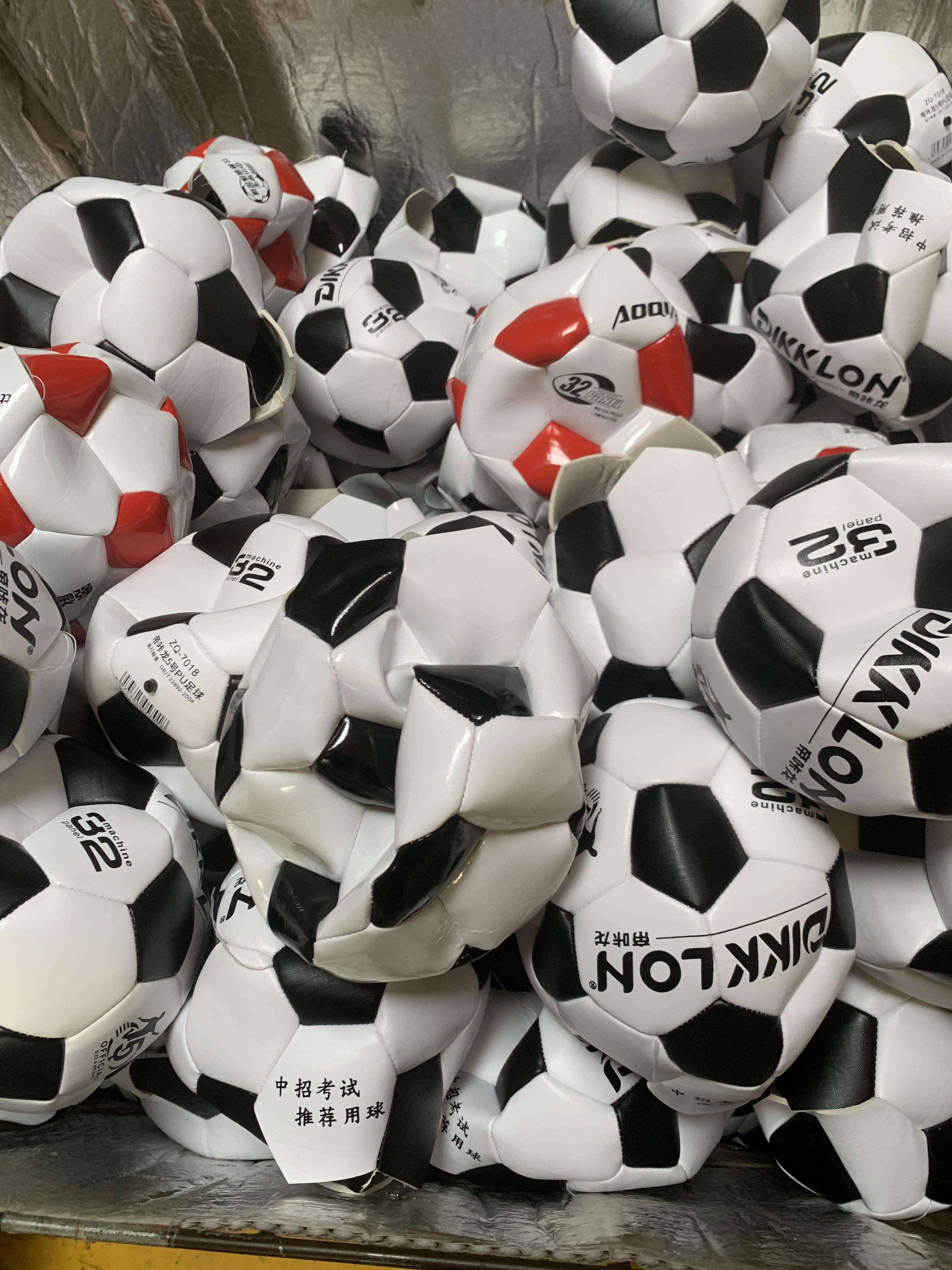
The rubber soccer ball represents a revolutionary approach to traditional football equipment, combining durability with exceptional performance characteristics that cater to players of all skill levels. Constructed from high-quality rubber materials, this sporting essential has transformed how people engage with the beautiful game across diverse environments and conditions. Unlike conventional leather or synthetic alternatives, the rubber soccer ball delivers unmatched resilience against harsh weather conditions, rough playing surfaces, and intensive use patterns that would quickly damage other ball types. The primary functions of this equipment extend beyond simple recreational play, encompassing professional training sessions, educational physical education programs, beach soccer activities, street football games, and indoor sports facilities. The technological features embedded within modern rubber soccer ball designs include advanced vulcanization processes that ensure consistent shape retention, specialized surface texturing that enhances grip and control during wet conditions, and carefully calibrated weight distribution systems that maintain predictable flight trajectories. The manufacturing process involves precise molding techniques that create seamless constructions, eliminating weak points where traditional stitched balls often fail. Applications for the rubber soccer ball span multiple contexts, from youth development programs in schools where affordability and longevity matter most, to professional training environments where coaches require equipment that withstands repetitive drills without degradation. Recreational players appreciate how these balls perform reliably on concrete playgrounds, asphalt courts, grass fields, and sandy beaches alike. The versatility of rubber construction allows manufacturers to produce balls in various sizes and weights, accommodating different age groups and skill development stages. Furthermore, the rubber soccer ball serves communities in developing regions where budget constraints and limited access to replacement equipment make durability the paramount consideration. The waterproof nature of rubber ensures that gameplay continues uninterrupted during rainy conditions, while the material's inherent bounce characteristics provide consistent performance that players can depend upon regardless of external factors.

New Product Recommendations

Investing in a rubber soccer ball brings numerous practical benefits that directly impact your playing experience and long-term satisfaction with your purchase. First and foremost, the exceptional durability of rubber construction means your ball will withstand years of regular use without showing significant wear or requiring replacement. This longevity translates into substantial cost savings over time, as you avoid the recurring expense of purchasing new equipment every season. Parents particularly appreciate this advantage when buying balls for children who play frequently and tend to be rough with their gear. The waterproof properties of rubber soccer ball designs ensure that rain, puddles, or wet grass never interrupt your game or damage the equipment. Unlike leather balls that absorb moisture and become heavy and misshapen, rubber maintains its optimal weight and performance characteristics regardless of weather conditions. This reliability means you can practice and play whenever you want, without worrying about ruining your investment. The low maintenance requirements represent another significant advantage, as rubber soccer ball products require no special treatments, conditioning oils, or storage procedures. Simply wipe off dirt after use, and the ball remains ready for your next session. This convenience proves especially valuable for busy individuals, schools, and sports programs managing multiple pieces of equipment. The superior bounce consistency of rubber construction ensures predictable ball behavior during gameplay, allowing you to develop accurate passing, shooting, and dribbling techniques that transfer seamlessly to competitive matches. Coaches recognize how this consistency accelerates skill development, as players receive reliable feedback from every touch. The affordability of rubber soccer ball options makes quality equipment accessible to broader audiences, removing financial barriers that might otherwise prevent participation in the sport. Community programs, schools with limited budgets, and families managing multiple children's activities all benefit from this economic advantage. Safety considerations also favor rubber construction, as the material provides appropriate firmness for skill development while minimizing injury risk during heading practice or accidental impacts. The grip-enhanced surfaces featured on modern rubber soccer ball designs improve ball control in all conditions, giving players confidence to attempt advanced techniques without fear of the ball slipping away unexpectedly. Versatility across different playing surfaces means one ball serves multiple purposes, whether you are playing on grass, concrete, indoor courts, or beach sand. This adaptability eliminates the need to purchase specialized equipment for different venues, further maximizing your investment value. Environmental resistance extends beyond water to include UV radiation, temperature extremes, and exposure to oils or chemicals commonly found on outdoor surfaces, ensuring your rubber soccer ball maintains its appearance and performance through diverse conditions.

Tips And Tricks

What is futsal and how does it differ from soccer?

29

Apr

What is futsal and how does it differ from soccer?

Futsal represents a distinct form of association football that has evolved into a globally recognized sport with its own identity, rules, and competitive structure. Originating in Uruguay during the 1930s, futsal was designed to be played indoors on ...
View More
Why does rugby ball grip matter for handling performance?

11

May

Why does rugby ball grip matter for handling performance?

The grip quality of a rugby ball fundamentally determines whether players can execute clean catches, accurate passes, and secure carries under match pressure. Unlike sports equipment where surface texture serves primarily aesthetic purposes, the grip...
View More
How does rugby ball size vary across different game levels?

04

May

How does rugby ball size vary across different game levels?

Understanding how rugby ball size varies across different game levels is essential for players, coaches, and equipment managers who want to ensure optimal performance and safety. The dimensions and weight of a rugby ball are not arbitrary—they ...
View More
What is a rugby ball and how does its shape affect play?

01

May

What is a rugby ball and how does its shape affect play?

The rugby ball stands as one of the most distinctive sporting objects in the world, instantly recognizable by its unique prolate spheroid shape. Unlike the perfectly round balls used in soccer or basketball, the rugby ball features an elongated oval ...
View More

Get a Free Quote

Our representative will contact you soon.
Email
Name
Company Name
Message
0/1000

rubber soccer ball

Unmatched Durability That Saves Money and Reduces Replacement Frequency

Unmatched Durability That Saves Money and Reduces Replacement Frequency

The exceptional durability of the rubber soccer ball stands as its most compelling attribute, delivering value that extends far beyond the initial purchase price. Traditional soccer balls constructed from leather or basic synthetic materials often suffer from premature failure due to stitching separation, surface abrasion, or structural degradation after exposure to challenging conditions. In contrast, rubber soccer ball construction employs seamless molding techniques that eliminate vulnerable stitched seams entirely, creating a unified structure that distributes stress evenly across the entire surface. This engineering approach prevents the weak points that cause conventional balls to fail after relatively limited use. The vulcanization process applied during manufacturing further enhances durability by cross-linking rubber molecules, creating a material matrix that resists tearing, puncturing, and surface wear even when subjected to abrasive surfaces like concrete or asphalt. Players who regularly practice on urban playgrounds or street courts particularly benefit from this resilience, as their rubber soccer ball continues performing optimally long after other ball types would have become unusable. The practical implications of this durability translate directly into financial savings, as families, schools, and sports programs reduce their equipment replacement budgets significantly. Consider that a quality rubber soccer ball might cost slightly more initially than a basic stitched alternative, but when that rubber ball lasts three to five times longer, the cost per use drops dramatically. This economic advantage proves especially important for organizations managing multiple teams or large physical education classes where equipment budgets face constant pressure. Beyond monetary considerations, durability ensures consistent availability, meaning players never face disappointing cancellations because equipment has failed unexpectedly. Youth development programs benefit particularly from this reliability, as young players build their skills through regular practice sessions that require dependable equipment. The rubber soccer ball maintains its shape integrity through thousands of kicks, headers, and impacts, ensuring that the ball you play with today responds identically to how it performed months ago. This consistency supports proper skill development, as players internalize accurate muscle memory rather than constantly adapting to balls with changing characteristics. Environmental factors that rapidly degrade other ball types have minimal impact on rubber construction, allowing outdoor storage without protective measures and extending usable life even further.
All-Weather Performance That Never Interrupts Your Game

All-Weather Performance That Never Interrupts Your Game

Weather unpredictability presents one of the greatest challenges for soccer enthusiasts who want to practice and play consistently throughout the year. The rubber soccer ball eliminates this concern entirely through its inherent waterproof properties and weather-resistant construction that maintains optimal performance regardless of environmental conditions. Unlike leather balls that absorb water like sponges, becoming progressively heavier and more difficult to control as moisture penetrates the material, rubber creates an impermeable barrier that prevents water absorption completely. This fundamental difference means that playing in rain, on wet grass, or through puddles has no negative impact on ball weight, bounce characteristics, or handling properties. Players experience identical performance whether conditions are dry and sunny or wet and stormy, removing the weather variable from their game equation entirely. The practical benefits of this all-weather capability extend beyond simple convenience to encompass skill development advantages that many players overlook. When you can practice consistently regardless of weather conditions, your training schedule remains uninterrupted, allowing you to maintain momentum in skill progression without the frustrating gaps that occur when weather forces cancellations. Competitive players understand that consistent practice separates good athletes from great ones, and the rubber soccer ball enables that consistency by remaining ready for action in any conditions. The cold-weather performance of rubber construction also deserves attention, as the material maintains appropriate flexibility and bounce characteristics even in temperatures that make other balls uncomfortably hard or unpredictably bouncy. Winter training sessions proceed normally with rubber soccer ball equipment, whereas traditional balls often become difficult to control when temperatures drop significantly. Schools and youth programs operating in regions with varied climates appreciate how a single rubber soccer ball serves effectively year-round, eliminating the need to purchase different equipment for different seasons. The heat resistance of quality rubber also ensures that summer conditions and direct sunlight exposure do not cause material degradation, surface cracking, or performance changes that affect gameplay. Beach soccer enthusiasts particularly value how rubber soccer ball designs resist the combined challenges of sand, saltwater, and intense sun exposure that quickly destroy other ball types. The grip-enhanced surfaces featured on modern rubber soccer ball products maintain their effectiveness even when wet, providing confident ball control during rainy matches when traditional balls become slippery and unpredictable. This reliable traction allows players to execute their full technical repertoire without adjusting their technique to compensate for compromised equipment performance.
Versatile Design That Performs Excellently Across All Playing Surfaces

Versatile Design That Performs Excellently Across All Playing Surfaces

The remarkable versatility of the rubber soccer ball distinguishes it from specialized equipment designed for specific surface types, offering players a single solution that performs excellently whether they are playing on grass fields, concrete courts, indoor gymnasiums, beach sand, or street asphalt. This adaptability stems from the unique material properties of rubber construction combined with thoughtful design features that balance competing performance requirements. Traditional soccer balls often excel on their intended surface but perform poorly when used elsewhere, forcing players to own multiple balls for different venues or accept compromised performance. The rubber soccer ball eliminates this limitation through engineering that accommodates diverse surface characteristics. On grass fields, the textured surface of rubber soccer ball designs provides excellent grip for controlled dribbling and precise passing, while the appropriate firmness ensures responsive touches that develop proper technique. When transitioning to hard court surfaces like concrete or asphalt, the durability advantages of rubber become immediately apparent, as the ball withstands abrasive contact that would quickly damage leather or thin synthetic alternatives. Street soccer players who practice on urban playgrounds rely on rubber soccer ball durability to avoid the constant equipment replacement that other ball types necessitate. Indoor environments present their own challenges, including limited space that demands precise ball control and floor surfaces that can make some balls overly bouncy or unpredictably responsive. The rubber soccer ball addresses these concerns through calibrated construction that delivers appropriate bounce characteristics for indoor play while maintaining the durability needed for frequent wall contact and intensive small-sided games. Beach soccer enthusiasts discover that rubber construction resists the sand infiltration and saltwater exposure that damages balls with stitched seams or porous surfaces, while the weight distribution ensures stable flight even in coastal wind conditions. Youth players benefit tremendously from this versatility, as they typically practice in multiple locations including school gymnasiums, home driveways, local parks, and recreational facilities with varying surface types. Providing young athletes with a rubber soccer ball that performs consistently across all these environments simplifies equipment management while ensuring they develop transferable skills rather than surface-specific techniques. The economic implications of this versatility extend beyond the obvious advantage of purchasing one ball instead of several specialized options. Players who confidently use the same rubber soccer ball in all contexts develop deeper familiarity with its response characteristics, improving their touch and control through consistent equipment interaction. This equipment consistency proves particularly valuable during skill development phases when players are internalizing fundamental techniques that will serve them throughout their soccer careers.

Get a Free Quote

Our representative will contact you soon.
Email
Name
Company Name
Message
0/1000