Premium Soccer Ball for Kids - Safe, Durable Youth Training Equipment for Skill Development

Get a Free Quote

Our representative will contact you soon.
Email
Name
Company Name
Message
0/1000

soccer ball for kids

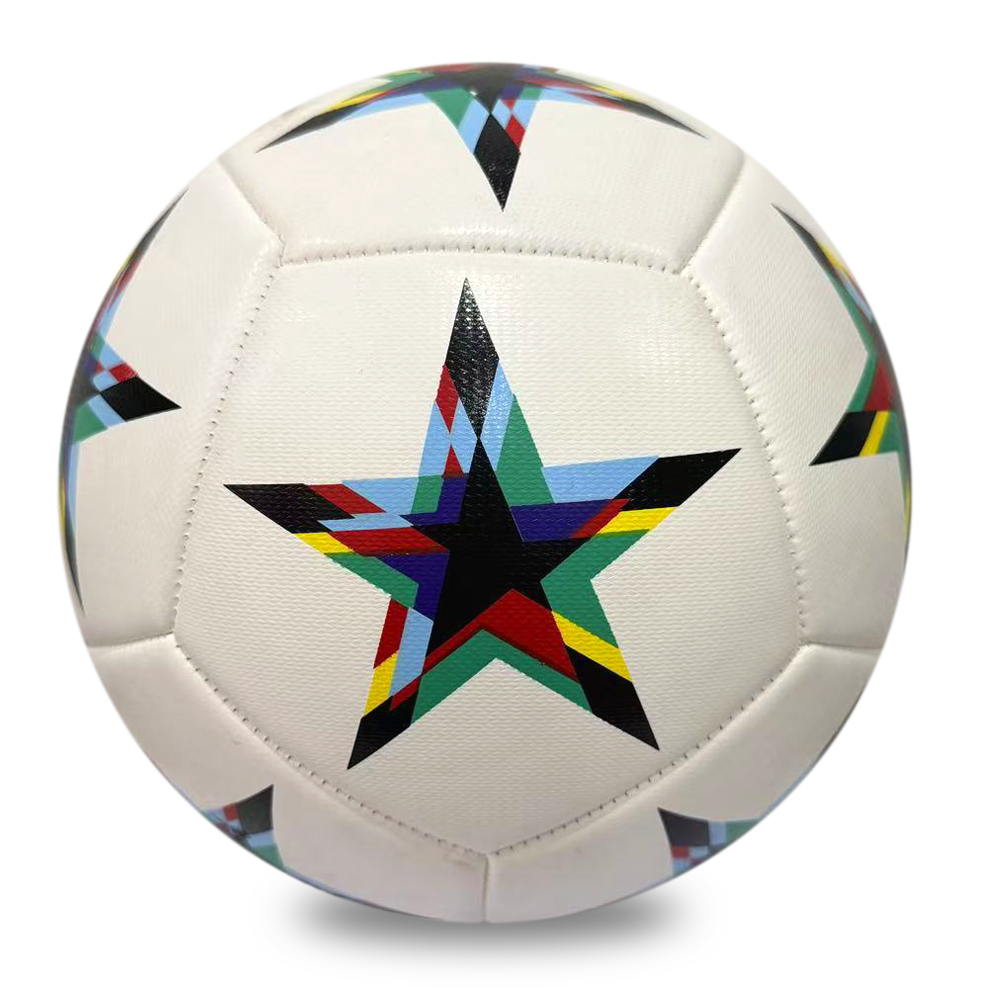
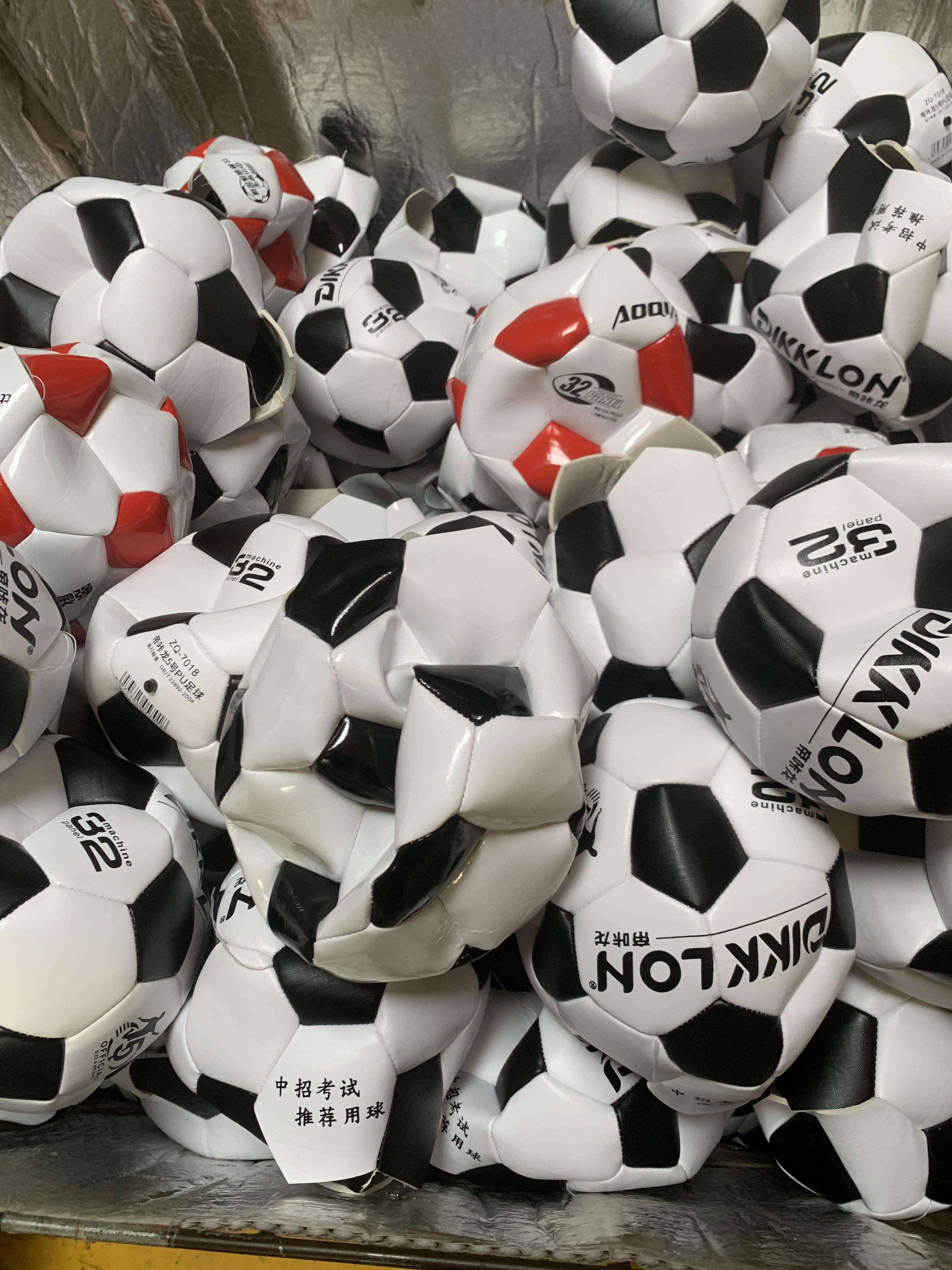
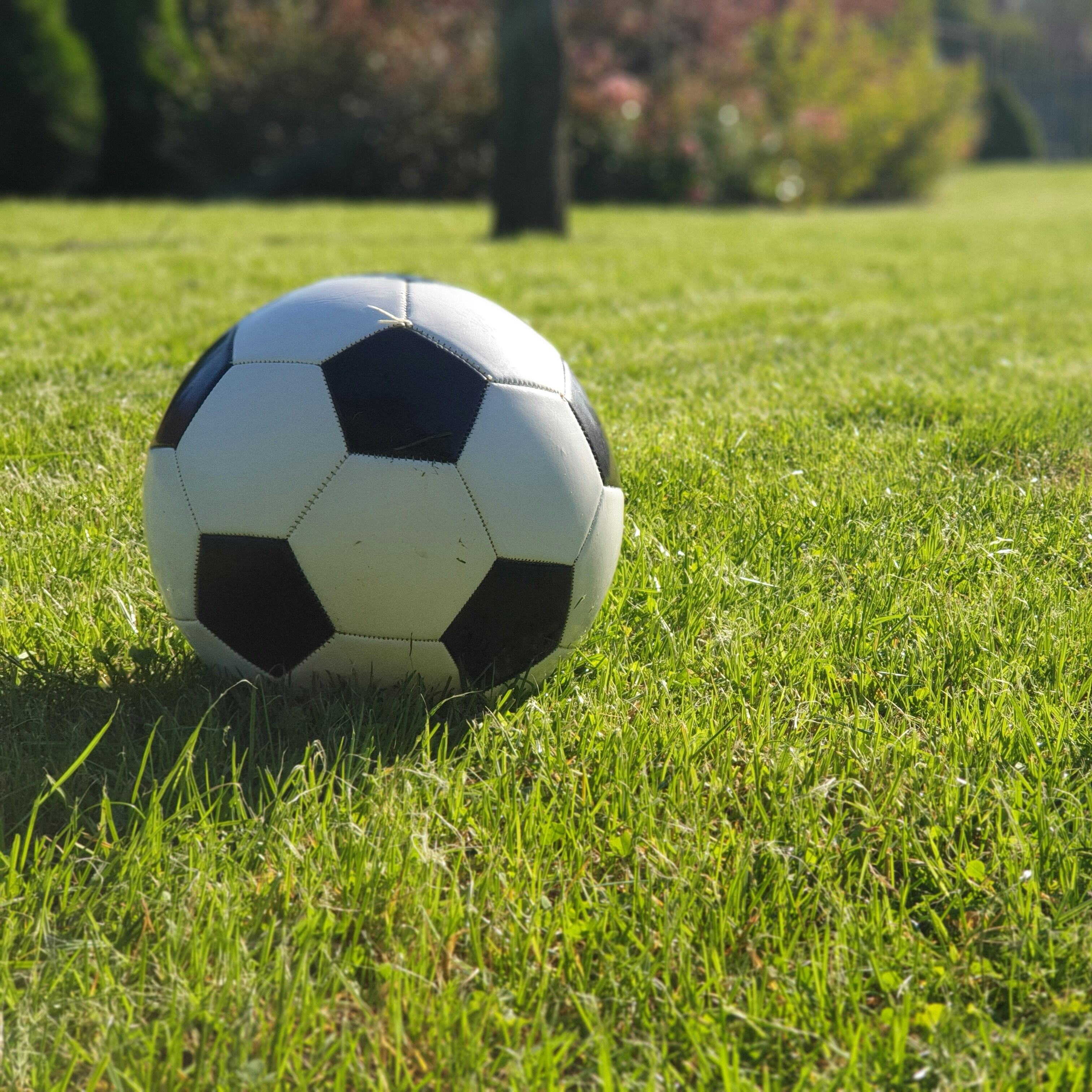
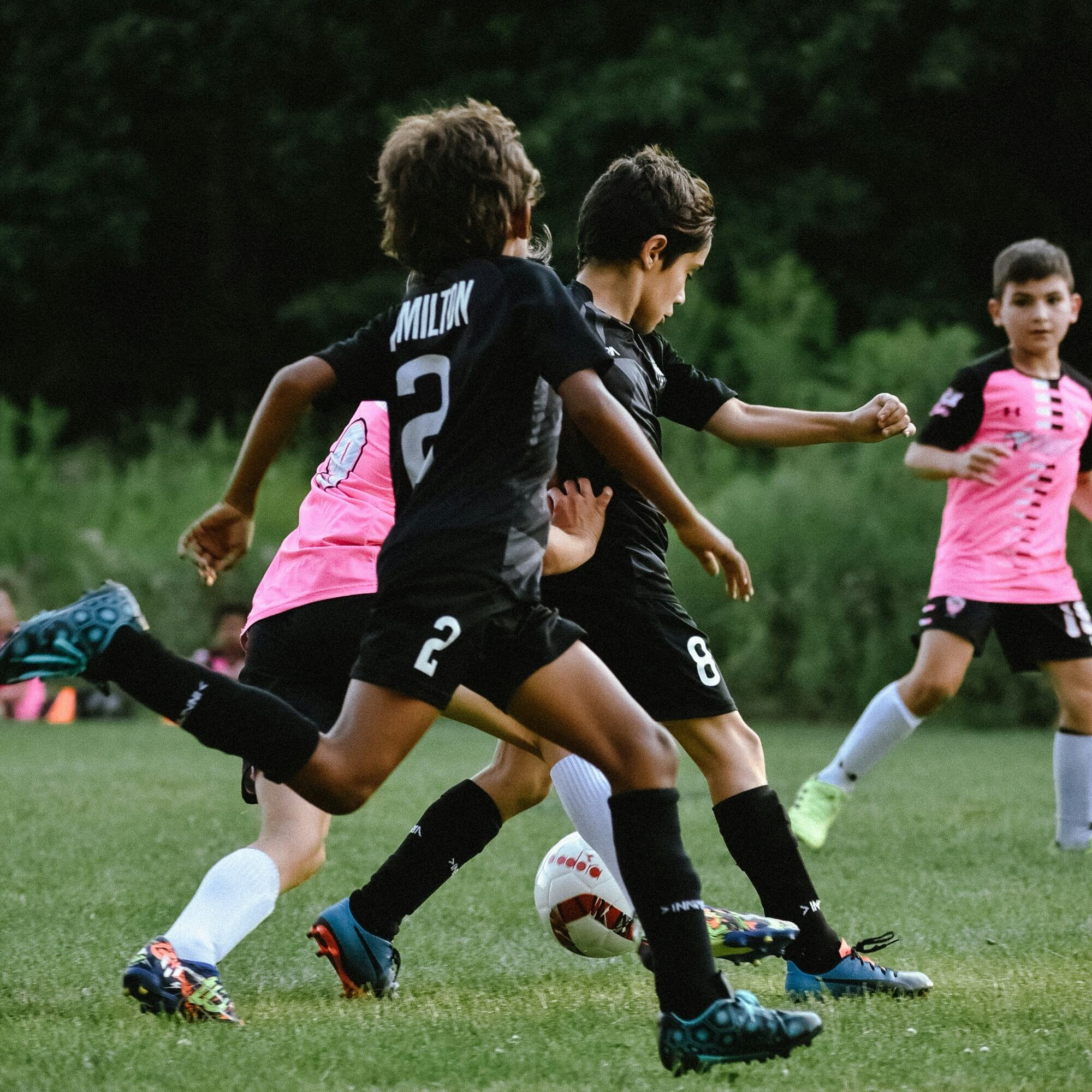
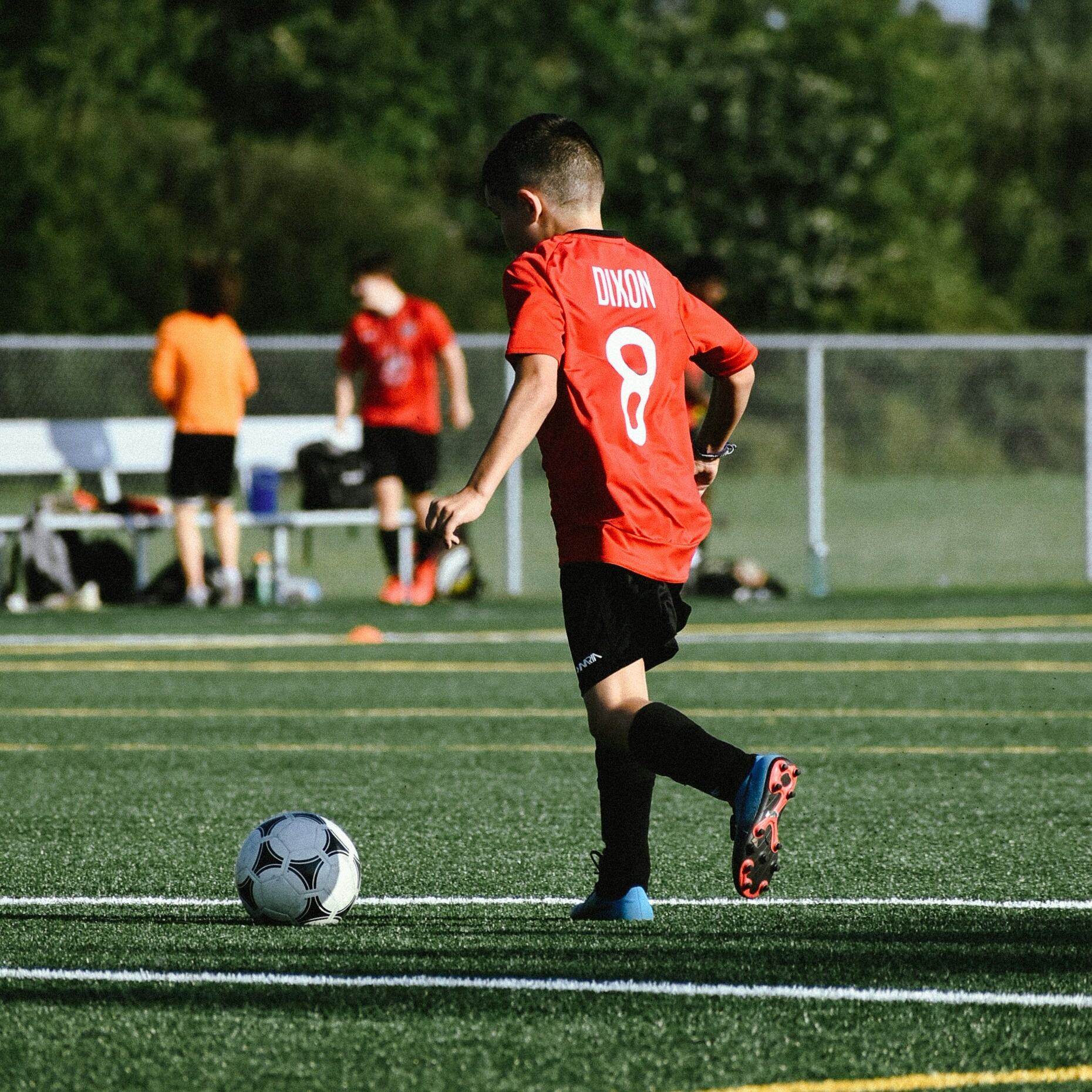
A soccer ball for kids represents far more than just a simple sports accessory; it serves as an essential tool for physical development, social interaction, and lifelong athletic engagement. Designed specifically with younger players in mind, these specialized soccer balls incorporate age-appropriate sizing, weight considerations, and construction materials that cater to developing motor skills and physical capabilities. Unlike standard adult soccer balls, a quality soccer ball for kids features reduced circumference and lighter weight construction, typically ranging from size 3 for toddlers to size 4 for elementary-aged children, ensuring proper handling and control development. The main functions extend beyond recreational play to encompass fundamental skill development including dribbling, passing, shooting, and ball control techniques that form the foundation of soccer proficiency. Modern soccer ball for kids products integrate advanced technological features such as soft-touch synthetic leather exteriors, foam-backed linings for enhanced cushioning, and machine-stitched or hand-stitched panel construction that ensures durability while minimizing injury risk during play. The applications span multiple environments including organized youth soccer leagues, school physical education programs, backyard practice sessions, and casual neighborhood games. Many contemporary designs incorporate vibrant color schemes and appealing graphics that capture children's attention and encourage active participation in physical activity. The construction typically features butyl bladders that maintain optimal air retention, reducing the frequency of inflation and ensuring consistent performance characteristics. Weather-resistant materials allow for year-round outdoor use across various playing surfaces including grass fields, artificial turf, gymnasium floors, and recreational surfaces. The balanced weight distribution facilitates proper foot-to-ball contact, helping young athletes develop correct striking techniques without experiencing discomfort or discouragement. Safety considerations remain paramount, with manufacturers implementing softer outer materials and appropriate pressure specifications that minimize impact force while maintaining sufficient bounce and roll characteristics essential for authentic soccer experiences.


New Products

Parents and coaches recognize numerous practical benefits when selecting an appropriate soccer ball for kids rather than using standard equipment. The properly sized soccer ball for kids enables children to achieve better ball control and manipulation, building confidence as they master fundamental techniques without struggling against oversized or excessively heavy equipment that can lead to frustration and loss of interest in the sport. The reduced weight specifically benefits younger players by allowing them to kick, pass, and maneuver the ball effectively without risking strain or injury to developing muscles and joints. Children experience greater success rates when practicing skills, which directly translates to increased enthusiasm for continued participation in soccer activities and organized sports programs. The softer construction materials characteristic of quality soccer ball for kids products significantly reduce the fear factor associated with heading or blocking the ball, encouraging players to engage more fully in all aspects of the game without hesitation or anxiety about painful impacts. Durability advantages ensure that these specialized balls withstand the rigorous treatment typical of youth play, including frequent use on abrasive surfaces, exposure to various weather conditions, and the inevitable rough handling that accompanies children's sporting activities. This longevity delivers excellent value for families and sports programs, eliminating the need for frequent replacements and reducing overall equipment costs over time. The appropriate bounce characteristics of a well-designed soccer ball for kids facilitate realistic gameplay experiences while accommodating the developmental stage of young athletes, helping them understand ball physics and trajectory prediction essential for advanced play. Enhanced grip surfaces and textured exteriors provide superior contact feedback, allowing children to sense and adjust their touch, which accelerates skill acquisition and technique refinement. The psychological advantages prove equally significant, as using properly scaled equipment helps children feel like legitimate athletes rather than struggling with adult gear, fostering a positive sports identity and promoting long-term athletic participation. Family bonding opportunities expand when parents can confidently introduce soccer activities knowing their children have appropriate equipment that maximizes enjoyment while minimizing safety concerns. Educational benefits emerge through improved hand-eye coordination, spatial awareness, strategic thinking, and teamwork capabilities that develop naturally through regular practice with a suitable soccer ball for kids. Physical fitness improvements occur organically as children engage in cardiovascular exercise, develop muscle strength, enhance flexibility, and build endurance through enjoyable soccer activities rather than perceiving exercise as a chore or obligation.

Latest News

What is futsal and how does it differ from soccer?

29

Apr

What is futsal and how does it differ from soccer?

Futsal represents a distinct form of association football that has evolved into a globally recognized sport with its own identity, rules, and competitive structure. Originating in Uruguay during the 1930s, futsal was designed to be played indoors on ...
View More
Why does rugby ball grip matter for handling performance?

11

May

Why does rugby ball grip matter for handling performance?

The grip quality of a rugby ball fundamentally determines whether players can execute clean catches, accurate passes, and secure carries under match pressure. Unlike sports equipment where surface texture serves primarily aesthetic purposes, the grip...
View More
How does rugby ball size vary across different game levels?

04

May

How does rugby ball size vary across different game levels?

Understanding how rugby ball size varies across different game levels is essential for players, coaches, and equipment managers who want to ensure optimal performance and safety. The dimensions and weight of a rugby ball are not arbitrary—they ...
View More
What is a rugby ball and how does its shape affect play?

01

May

What is a rugby ball and how does its shape affect play?

The rugby ball stands as one of the most distinctive sporting objects in the world, instantly recognizable by its unique prolate spheroid shape. Unlike the perfectly round balls used in soccer or basketball, the rugby ball features an elongated oval ...
View More

Get a Free Quote

Our representative will contact you soon.
Email
Name
Company Name
Message
0/1000

soccer ball for kids

Age-Appropriate Size and Weight Engineering for Optimal Development

Age-Appropriate Size and Weight Engineering for Optimal Development

The engineering precision behind a quality soccer ball for kids centers on creating equipment that matches the physical capabilities and developmental stage of young athletes, ensuring that children can properly interact with the ball and develop correct techniques from their earliest experiences with the sport. Manufacturers carefully calibrate the circumference, weight, and inflation pressure to align with specific age groups, recognizing that a three-year-old requires vastly different equipment specifications compared to a ten-year-old player. This scientific approach to soccer ball for kids design considers the average foot size, leg strength, and coordination levels characteristic of different developmental stages, creating equipment that feels natural and manageable in young hands and feet. The size 3 soccer ball for kids, typically measuring between 18 and 20 inches in circumference and weighing approximately 11 to 12 ounces, provides toddlers and preschool-aged children with manageable equipment that encourages exploration and experimentation without overwhelming their limited strength and control capabilities. As children progress to elementary school ages, the size 4 soccer ball for kids offers increased dimensions of 25 to 26 inches in circumference with weights ranging from 12 to 13 ounces, providing a natural progression that challenges growing abilities while maintaining accessibility and confidence-building characteristics. This deliberate sizing strategy prevents the common problem of children attempting to use adult-sized equipment, which frequently results in poor technique development, increased injury risk, and premature disengagement from soccer activities due to frustration and perceived inadequacy. The weight engineering specifically addresses the biomechanical realities of developing bodies, ensuring that kicks generate satisfying ball movement without requiring excessive force that could lead to muscle strain, joint stress, or fatigue that cuts practice sessions short. Parents notice that children using appropriately sized soccer ball for kids equipment demonstrate longer attention spans during play, exhibit greater willingness to practice skills repeatedly, and show faster progression in fundamental techniques compared to peers using incorrectly sized equipment. The cognitive benefits extend beyond physical skill development, as successfully controlling and manipulating a properly sized soccer ball for kids builds problem-solving abilities, spatial reasoning, and cause-effect understanding that transfer to other learning domains and academic pursuits throughout childhood development.
Enhanced Safety Features Through Advanced Material Selection and Construction

Enhanced Safety Features Through Advanced Material Selection and Construction

Safety considerations drive every aspect of modern soccer ball for kids manufacturing, with leading producers implementing sophisticated material science and construction methodologies that dramatically reduce injury risks while maintaining authentic playing characteristics essential for skill development and game enjoyment. The outer casing materials represent critical safety innovations, with manufacturers selecting soft synthetic leather compounds and specialized composite materials that provide sufficient durability for extended use while offering substantially more cushioning and give compared to traditional soccer ball constructions designed for adult players. These carefully formulated materials absorb and dissipate impact forces more effectively, significantly reducing the sting and discomfort that children might experience when the ball strikes their legs, arms, or head during play. The foam backing layers integrated between outer panels and inner bladders add another dimension of protection, creating a multi-layered cushioning system that transforms potentially painful impacts into comfortable contacts that encourage rather than discourage active participation in all aspects of soccer gameplay. Panel construction methodology directly influences safety outcomes, with premium soccer ball for kids products featuring reinforced stitching patterns that eliminate hard seams and junction points that could create concentrated pressure areas during ball contact. The careful attention to seam placement and stitching density ensures uniform surface characteristics across the entire ball, preventing the unpredictable bounces and irregular flight patterns that can surprise young players and lead to facial injuries or loss of confidence. Inflation pressure specifications receive equal consideration, with manufacturers providing clear guidelines that prevent over-inflation scenarios where excessive firmness transforms the soccer ball for kids into a hazard rather than an appropriate training tool. Properly inflated equipment delivers the necessary responsiveness for skill development while maintaining sufficient softness to protect developing bodies from the cumulative impact stress that could lead to overuse injuries or acute trauma during enthusiastic play sessions. The visibility enhancements incorporated into contemporary soccer ball for kids designs contribute to safety by ensuring that children can easily track the ball's position and movement, reducing the likelihood of unexpected collisions or off-target kicks that might endanger other players or bystanders in shared recreational spaces and organized practice environments.
Durability Engineering That Delivers Long-Term Value and Consistent Performance

Durability Engineering That Delivers Long-Term Value and Consistent Performance

The economic and practical advantages of investing in a well-constructed soccer ball for kids become apparent through extended use periods, as superior engineering and material selection translate directly into equipment that withstands the demanding conditions and treatment patterns characteristic of youth soccer activities while maintaining consistent performance characteristics that support continued skill development. Manufacturers specializing in soccer ball for kids products recognize that these items face unique durability challenges including frequent use on abrasive surfaces such as concrete, asphalt, and rough natural terrain where organized playing fields may be unavailable, exposure to extreme temperature variations as equipment gets left outdoors or stored in vehicle trunks, and the inevitable rough handling that accompanies children's play patterns including kicking against walls, sitting on balls, and using them for non-soccer activities that adult players would avoid. Advanced panel bonding techniques including thermal lamination and precision stitching with reinforced synthetic threads create structural integrity that resists delamination and separation even after thousands of kicks and impacts. The bladder construction utilizes premium butyl rubber formulations that maintain air pressure substantially longer than cheaper latex alternatives, reducing maintenance requirements and ensuring that the soccer ball for kids remains properly inflated and ready for spontaneous play sessions without requiring constant attention from parents or coaches. The abrasion-resistant outer materials incorporate protective coatings and surface treatments that defend against the gradual wear that occurs during dragging, rolling, and contact with rough surfaces, preserving both aesthetic appearance and functional performance throughout extended ownership periods. Seam reinforcement strategies prevent the common failure mode where panel separations begin at stress concentration points, with quality soccer ball for kids products featuring double and triple stitching at critical junctions combined with sealed seam treatments that block moisture infiltration that could degrade adhesives and thread materials from within. The water-resistant characteristics prove essential for maintaining consistent weight and performance across varying weather conditions, preventing the waterlogging that transforms balls into heavy, unpredictable equipment that discourages use and accelerates structural deterioration. Parents appreciate that durable soccer ball for kids construction delivers multi-season utility, serving multiple children through hand-me-down cycles or supporting intensive use patterns by dedicated young athletes without requiring replacement purchases that strain family budgets and create environmental waste through premature equipment disposal.

Get a Free Quote

Our representative will contact you soon.
Email
Name
Company Name
Message
0/1000