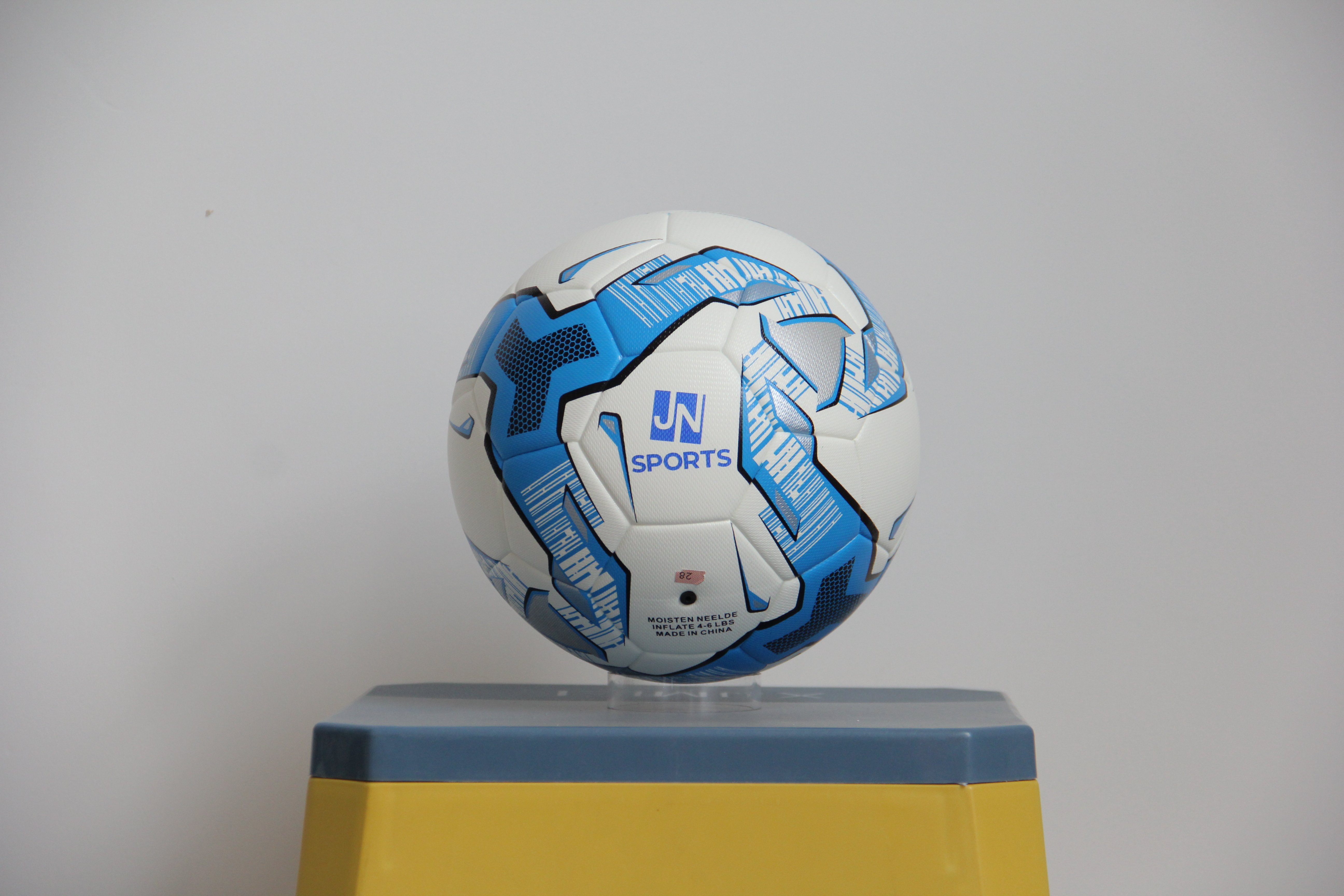
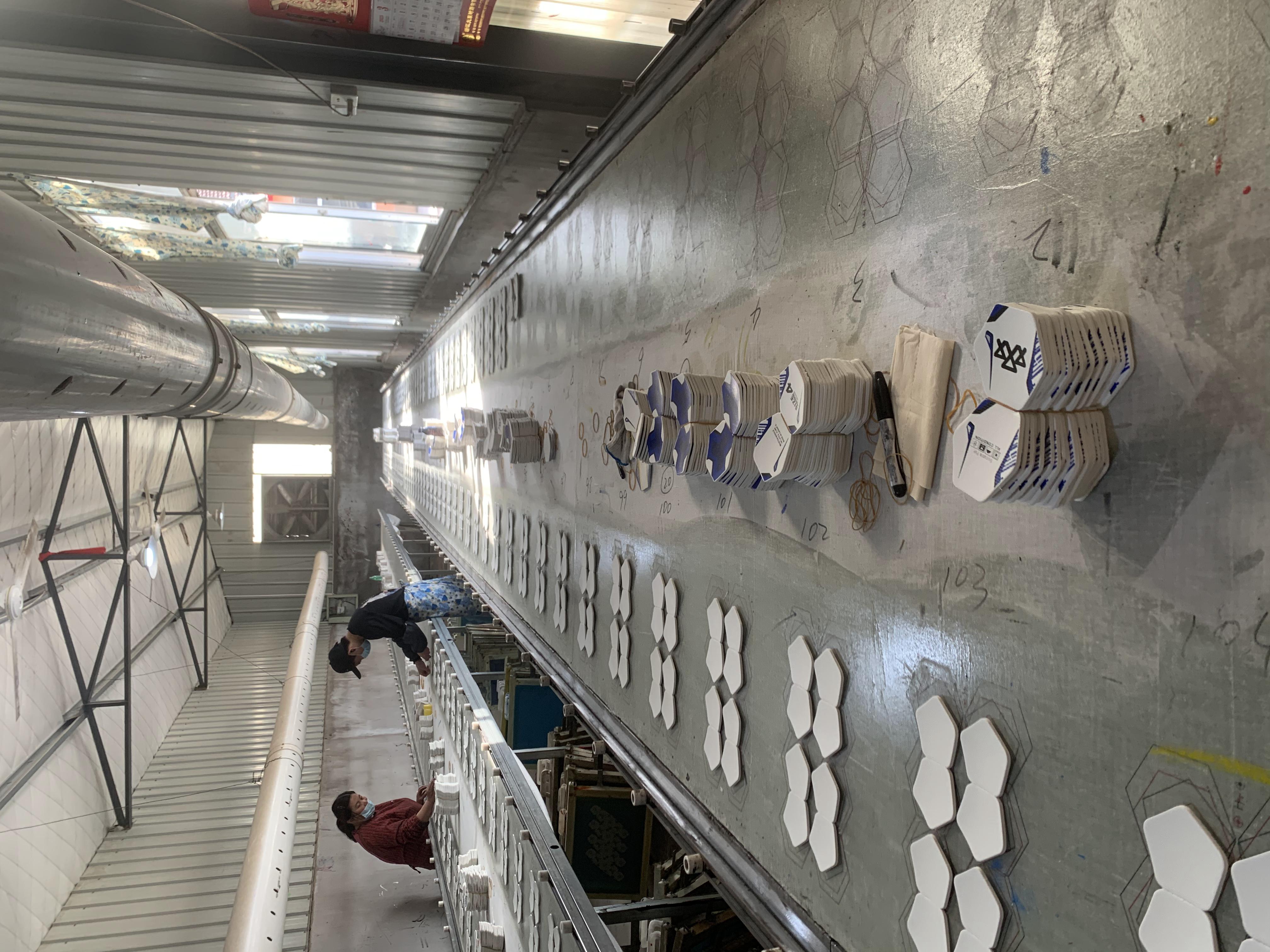
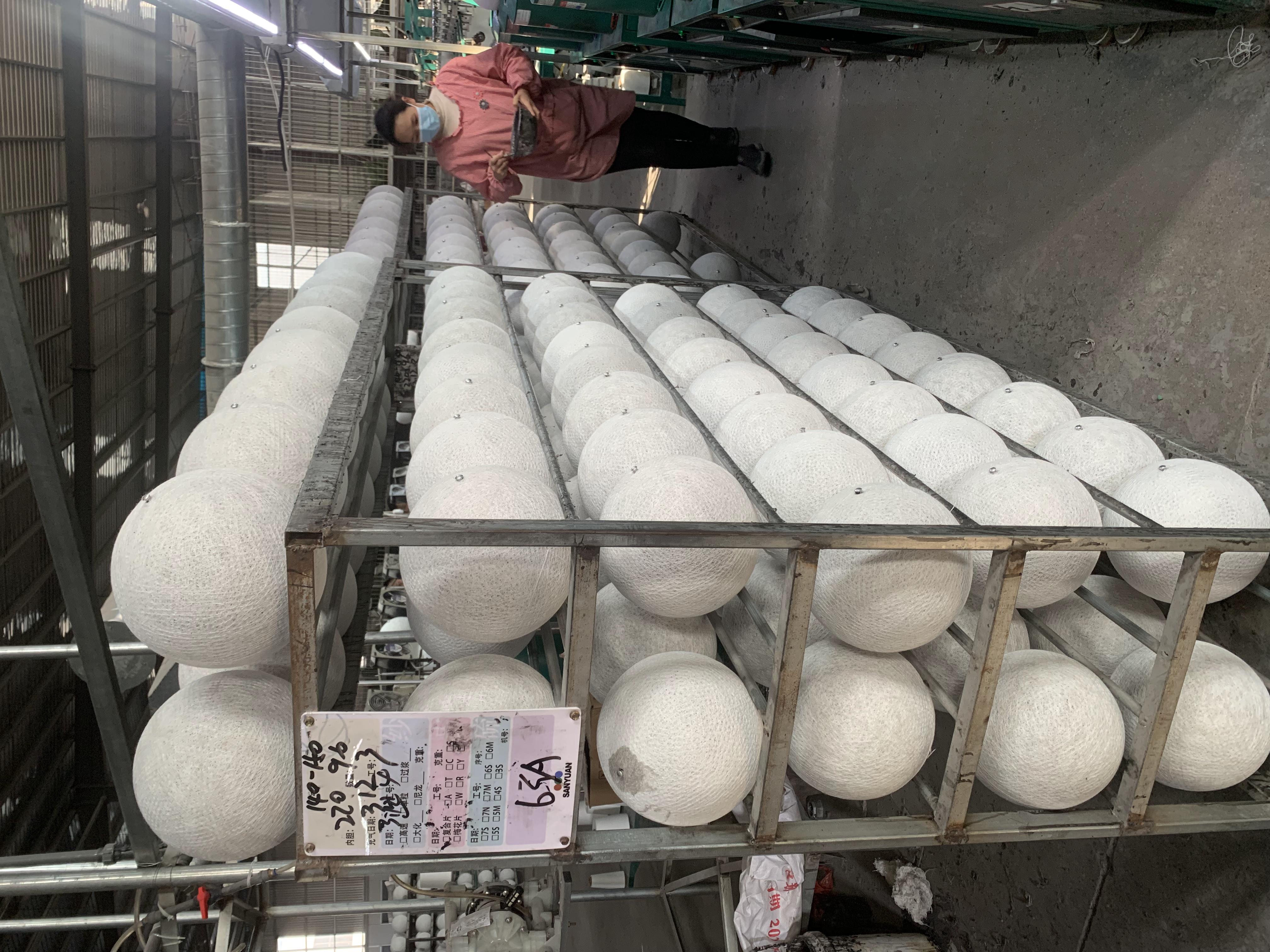
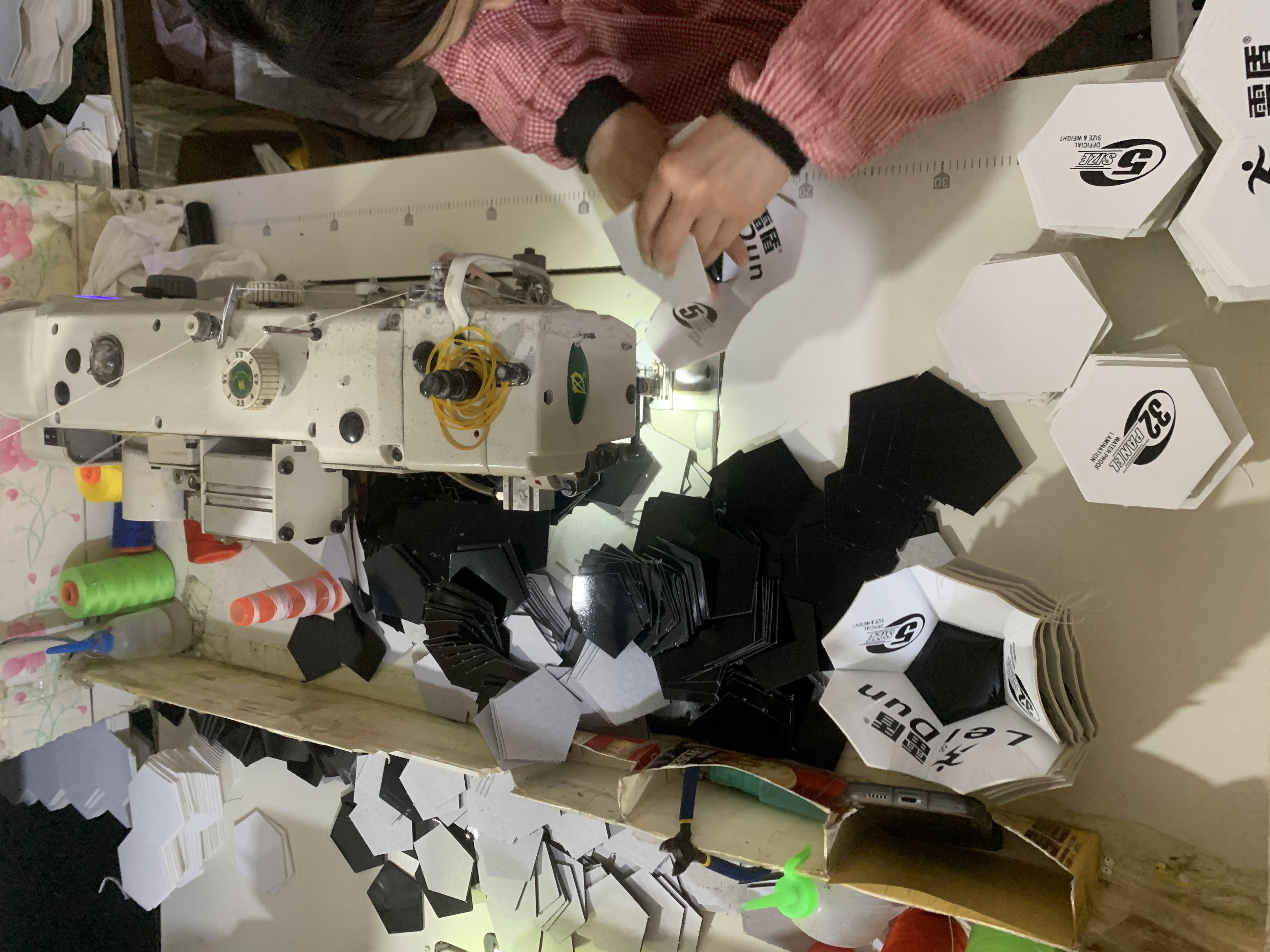
Working with a Football Supplier: From Quote to Delivery
Working with Sanhuan as your football supplier is a fixed process — quote in 24 hours, mockup, sample, then production with pre-shipment QC photos. These systems represent significant investments in facilities, partnerships, and technology that enable reliable service across geographic boundaries and market segments. Strategic warehouse positioning places inventory closer to key markets, reducing transit times and transportation costs while improving responsiveness to urgent orders. Multi-region distribution centers stock popular items in quantities calibrated to local demand patterns, informed by historical data and predictive analytics. This geographic diversification also provides business continuity benefits, allowing order fulfillment to continue even if individual facilities experience disruptions. The logistics technology stack employed by advanced football suppliers integrates warehouse management systems, transportation management platforms, and customer-facing tracking portals into cohesive operational ecosystems. Barcode scanning and RFID technologies automate receiving, putaway, picking, and shipping processes, minimizing errors while maximizing throughput. Automated inventory replenishment algorithms monitor stock levels against reorder points, triggering purchase orders or inter-facility transfers that prevent stockouts. Real-time visibility tools provide customers with shipment status updates from order confirmation through final delivery, reducing inquiry calls and enhancing satisfaction. Carrier partnerships represent another critical component of distribution capabilities. Established football suppliers negotiate favorable rates with multiple logistics providers, offering customers various shipping options that balance cost and speed according to specific needs. Relationships with international freight forwarders facilitate cross-border shipments, with suppliers managing customs documentation, duty calculations, and compliance requirements that often confuse individual buyers. For high-volume customers, dedicated account management and customized logistics solutions address unique requirements such as scheduled delivery windows, specialized handling procedures, or integration with customer inventory systems. The sustainability dimension of modern logistics practices increasingly influences supplier selection decisions. Progressive football suppliers optimize delivery routes using algorithms that minimize fuel consumption and emissions. They consolidate shipments to reduce packaging waste and transportation frequency. Some implement carbon offset programs or invest in electric vehicle fleets for last-mile delivery. These environmental initiatives resonate with customers committed to reducing their ecological footprints. Returns management and reverse logistics capabilities demonstrate supplier commitment to customer satisfaction. Clear return policies, prepaid return labels, and efficient processing systems remove friction from the occasional product exchanges or warranty claims. Quality suppliers analyze return data to identify improvement opportunities, closing the feedback loop between customer experience and product development. The distribution advantages extend beyond mere product movement to encompass value-added services such as kitting, where suppliers assemble multi-item packages according to customer specifications, and drop-shipping arrangements that enable retailers to offer extensive product selections without inventory investment. These flexible fulfillment models adapt to diverse business strategies and operational constraints, positioning the football supplier as a strategic partner rather than a simple vendor.

 EN